You can get up to DKK 9,000 per person in tax deductions for the installation of new windows and doors in 2026. We make it easy: you get an itemised invoice with the labour cost listed separately – ready to submit.
Book a free survey
In 2026 you can still make use of the green håndværkerfradrag, a scheme designed to promote energy savings and climate-proofing in Danish homes. It was reintroduced on 1 January 2025 under the 2025 Finance Act, with DKK 300 million set aside each year – and it now runs with no end date.
As a homeowner, you can deduct the labour cost of certain types of building work from your tax. In 2026 you can claim a deduction of up to DKK 9,000 per person in your household – up from DKK 8,600 in 2025. The deduction is worth around 26%, so you save up to roughly DKK 2,300 per person in tax.
Note that the deduction only covers labour costs including VAT – materials are not covered. The work must be carried out by a company with a Danish CVR number and paid for digitally, for example by bank transfer or MobilePay.
The deduction has a clear green focus and supports energy renovation, among other things – SKAT's approved list explicitly includes the replacement of panes, windows and secondary glazing, patio doors and French balcony doors that are mainly glass, as well as external doors – alongside climate-proofing and green energy supply.
At nyevinduer.dk we're carpenters specialising in replacing windows and doors. We don't just help you choose and install the right windows and doors – we also make sure you get the most out of the tax deduction.
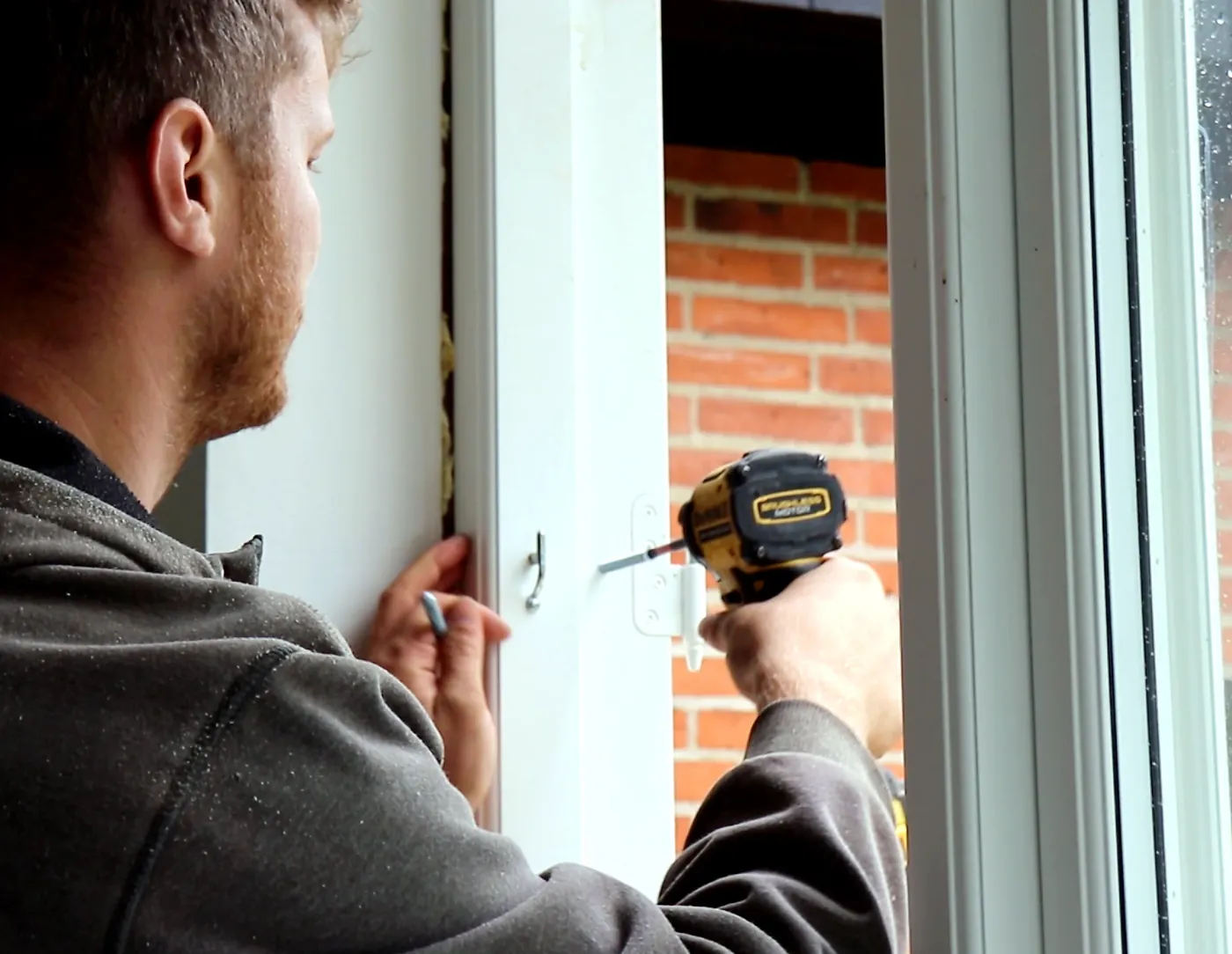
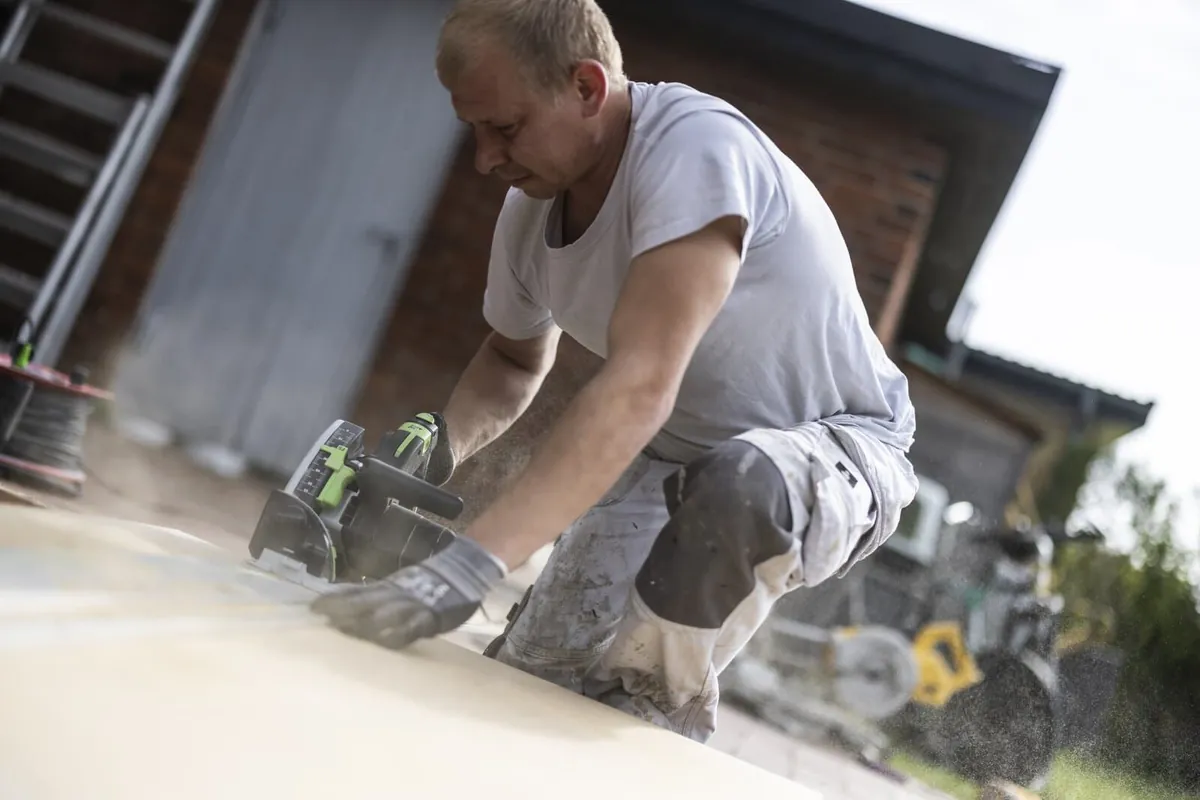
It's qualified carpenters/joiners who remove and fit your windows and doors themselves – the labour cost is the deductible part.
Thinking about getting new windows and making use of the tax deduction in 2026? Here are the answers to the most common questions. Still wondering about something? Contact us – we're happy to help you get clear on the rules and your options.
The tax deduction in 2026 covers labour costs for green refurbishment – energy renovation and climate-proofing – including the replacement of windows, external doors and patio doors. It applies to labour costs, but not materials.
In 2026 you can claim a deduction of up to DKK 9,000 per adult in the household for labour costs for installing new windows (up from DKK 8,600 in 2025). For 2 adults in the household, that's up to DKK 18,000 in tax deductions. The tax value is around 26%, so the saving is up to around DKK 2,300 per person.
You report the deduction at skat.dk (TastSelv, box 460) by entering the details from the invoice for the work. It's important that the invoice specifically shows the labour cost. Naturally, we make sure to send you an invoice that meets the requirements.
The deduction covers the replacement of windows, secondary glazing, external doors and patio doors in an existing home. It only covers the labour cost – not the materials themselves. New builds and the creation of new window openings are not covered.
The deduction is per person and applies to every adult in the household who pays tax in Denmark. In 2026 each adult can claim up to DKK 9,000 in deductions – two adults can claim up to DKK 18,000 between them. Spouses can share the deduction, no matter who paid.
The work must be carried out by a VAT-registered company with a Danish CVR number, you must live in the property yourself (whether it's a year-round home or a holiday home), and payment must be made digitally – by bank transfer or MobilePay, for example. Cash payments don't qualify. Work carried out in 2026 must be paid for by 28 February 2027.
Yes – energy-efficient windows are at the very heart of the green tax deduction. You can estimate your heating bill savings from switching to energy-efficient windows with our energy calculator.
The deduction is applied via your annual tax assessment (årsopgørelse) and reduces your taxable income. If you register it on your preliminary tax assessment (forskudsopgørelse), you'll feel the benefit during the year – otherwise when your annual assessment is settled.
Yes. The håndværkerfradrag is a tax deduction on labour costs, while energy grants are direct subsidies for energy improvements. You can't combine the two for the same project.
The scheme was reintroduced on 1 January 2025 and applies going forward – no end date has been set in the legislation. The thresholds are adjusted every year, so always check the current rates at skat.dk.
Yes. The deduction doesn't require you to be in work. The conditions are that you're 18 or over at the end of the income year, liable for tax in Denmark, and living in the property while the work is carried out. As the deduction is worth roughly 26% of the labour cost, you'll need a taxable income – a pension, for example – to deduct it from.
The rules and thresholds are adjusted annually – always check the current rates at skat.dk before counting on a specific amount.
Book a free window check – we'll give you honest advice on your options, whatever the brand, and make sure your invoice is ready for the deduction.