Yes, you can easily have new windows fitted in winter – without coming home to a cold house! In fact, replacing your draughty old windows in winter can even work in your favour: you can start saving on your heating bill this very winter, and you'll often get the job done faster than usual too.
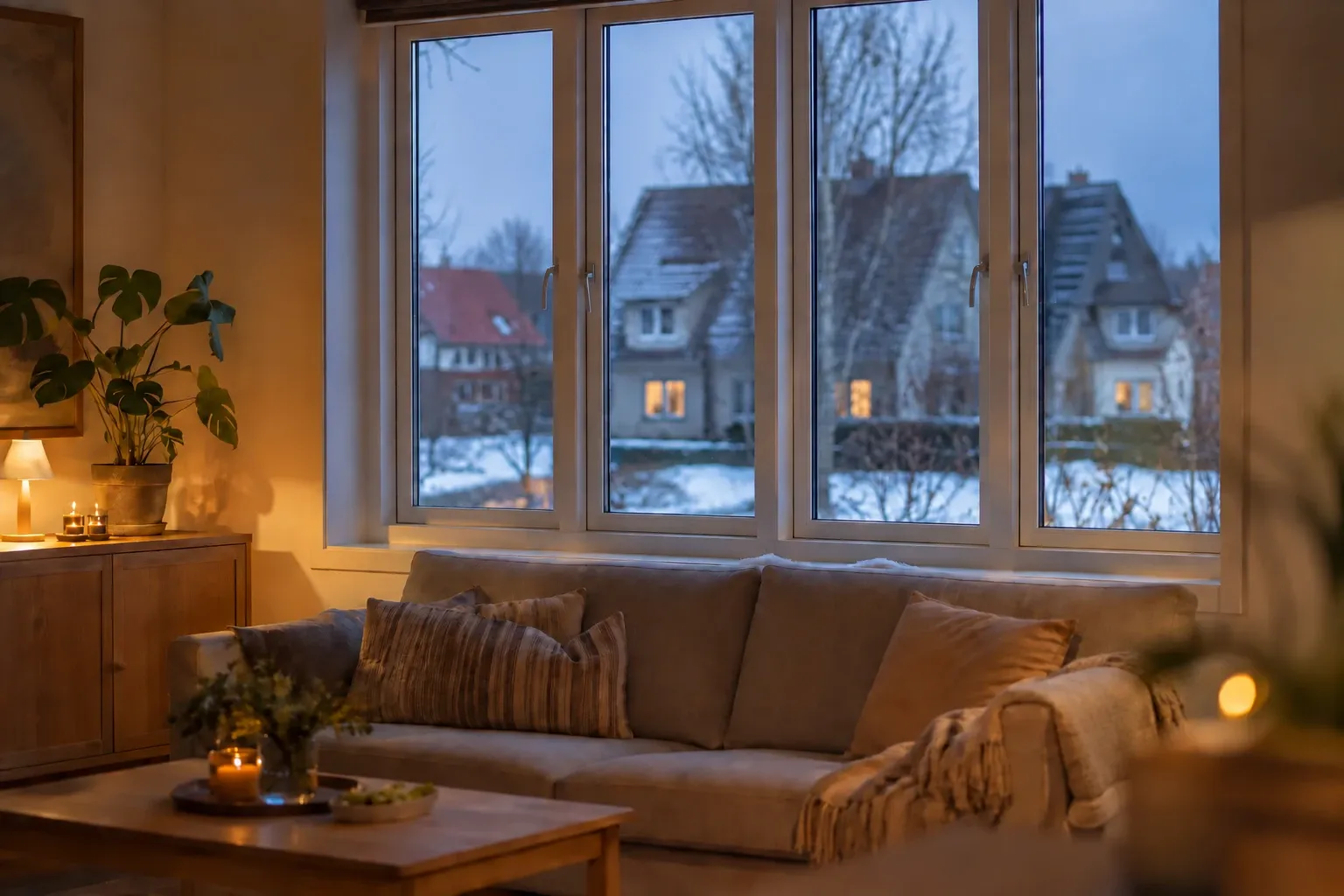
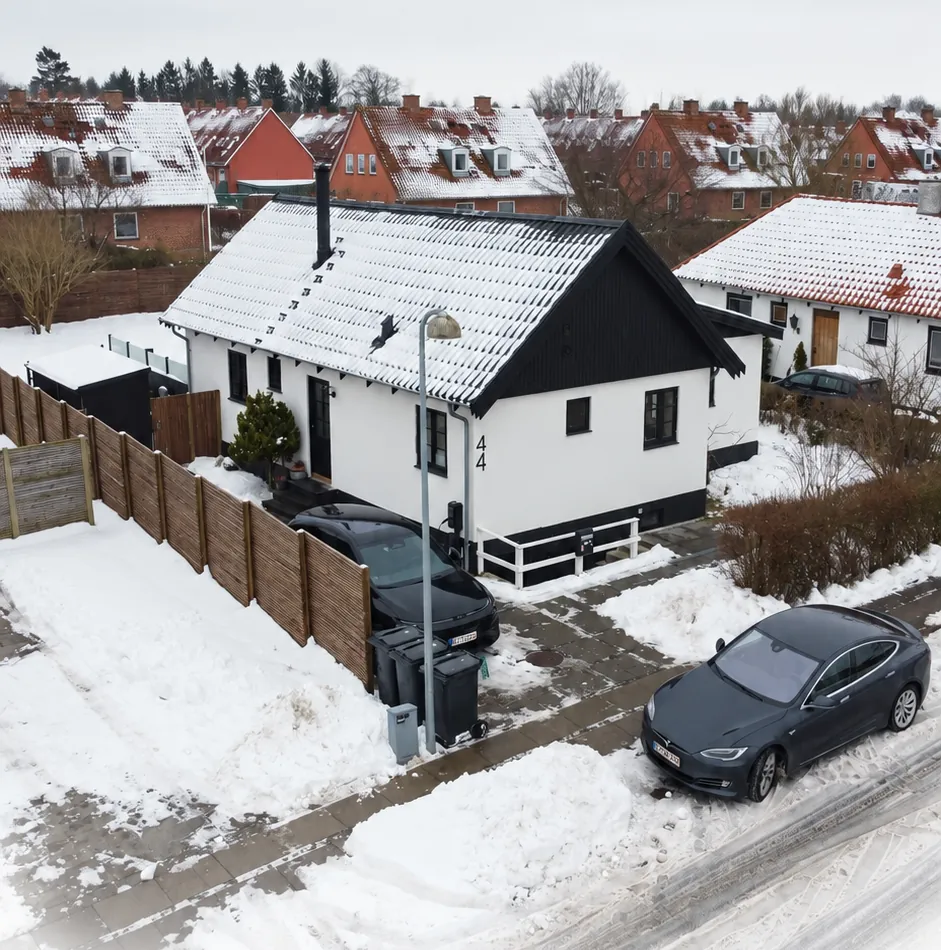

There's a widespread myth that replacing windows and doors in winter is a bad idea. Some people think they'll end up with a freezing-cold home while the work is being done. Others worry their home could be damaged when the insulation is exposed in frosty weather, for example.
But don't fear the winter cold. Your home won't come to any harm, and we promise you won't be left freezing while the installation is under way.
That's because we only ever replace one window at a time. So you'll never come home to an open hole in your house with the heat rushing out. Quite the opposite: when you come home in the afternoon, your new window is in place and you can safely turn the heating back on in that room.
Big projects like new windows are never a fun thing to spend money on. But it can be a sound investment if you're currently paying over the odds on your heating bill because all the heat is escaping through your old, draughty windows.
If you have new, energy-efficient, well-insulated windows fitted now, you can start saving on your heating bill this very winter. And the sooner you start saving, the sooner your investment pays for itself.
You're not the only one who thinks new windows and doors can't be fitted in snow or rain. That's why winter is the low season for window manufacturers, and they can produce your windows faster than usual.
Windows are always made to measure for your exact home. If we order them in winter, delivery times are shorter than in spring, for example. In other words, winter is when you can turn your idea of new windows into reality the fastest.
If you live in an average detached house with old windows and district heating, you could save up to DKK 7,200 a year on your heating bill. Over a 20-year period, that adds up to savings of DKK 144,000.
If you have a more expensive heat source – such as natural gas, oil or electricity – the saving is even greater. And if you replace your windows now, you start saving straight away, while the heating season is at its peak – not from next winter.
On top of the saving, you can deduct the labour cost of the installation from your tax with the håndværkerfradrag tax deduction – up to DKK 9,000 per person in 2026.
Annual saving by heat source – windows from before 1960
The figures are indicative and based on an average Danish detached house of 154.5 m² with windows from before 1960. They are calculated using the Danish Technological Institute's method with energy prices from Bolius. Every home is unique – calculate the saving for your own home below, or see the full table and the method behind it.
Enter your home's size, your heat source and the age of your windows – and you'll get your estimated annual savings straight away.
That's roughly DKK 0 over 20 years.
The estimate is indicative and calculated using the Danish Technological Institute's method (DS 418 reference house). Every home is unique – get a precise assessment with a free window check.
Thanks! You'll get the result by email, and we'll give you a call with a price estimate.
Something went wrong – please try again, or email hej@nyevinduer.dk.
When the cold sets in, many people wake up to misted-up panes and water on the window sill. The explanation is simple: the air in your home is full of moisture from cooking, showers, drying clothes – and from the people who live there.
When warm, humid air meets a cold surface, it cools down and releases its moisture as dew. Old panes insulate poorly, so in winter the glass – and especially the edge of the pane – is the coldest surface in your home. That is exactly where the water settles.
A little dew on a frosty morning is nothing to worry about. But if the panes are wet day after day all winter, it is a sign that your windows are no longer keeping the cold out.

The water runs down the pane and collects in the bottom frame and the window sill. Timber that stays wet all winter begins to rot, and paint and sealant come loose. That shortens the life of the window – and makes it even less airtight.
Mould grows where it is damp. Around windows it typically shows up as black or greenish spots in the sealant, on the frame and in the reveal around the window – often hidden behind curtains and pot plants.
Damp and mould in the home can cause problems such as irritated eyes, nose and airways, headaches and fatigue – and can aggravate asthma and allergies. A dry, warm home is quite simply healthier to live in.
Source: sundhed.dk
Condensation comes down to two things: moisture in the air and cold surfaces. New windows remove the cold surface.
Not sure whether the windows are the problem? We look at panes, frames and sealant when we come out to measure up – free and with no obligation.
Book a free window checkAt Nye Vinduer we specialise in windows and doors. We handle everything from surveying and ordering to installing new windows and doors. You get free advice from experienced carpenters with 25+ years' experience – and our trained carpenters will come and install your new windows and doors regardless of rain, snow or frost. You can safely get new windows with us – even in winter.
Read more about how the installation works, or the full window replacement process.
We install across all of Zealand – even in winter – for example in Birkerød, Dragør, Greve, Hareskov, Lejre, Rødovre, Strøby Egede and Viby Sjælland.
Yes. We fit new windows and doors all winter – in rain, snow and frost too. Your home isn't harmed by it, and because we only replace one window at a time, the house doesn't have time to get cold.
No. We only take out one window at a time, and the new one goes in straight away. On average it takes 2-3 hours to replace a window, so there is never an open hole in your home when you get back – and you can turn the heating in that room on again the same day.
Yes, typically. Windows are always made to measure for your home, so there is a delivery time all year round. But winter is low season for the window manufacturers, so they can produce your windows faster than in spring, for example. You get a quote within 72 hours of the survey.
If you live in an average detached house with district heating and windows from before 1960, you can save up to DKK 7,200 a year. With natural gas, an oil boiler or electric radiators, the saving is larger. The figures are indicative – use the energy calculator on this page to get an estimate for your own home.
Condensation forms when warm, humid indoor air meets a cold surface. Old panes insulate poorly, so the glass – and especially the edge of the pane – gets cold in winter. The air is cooled against the glass and releases its moisture as dew. The colder the pane and the more moisture in the air, the more condensation you get.
A little dew on a cold morning is perfectly normal. But if the panes are wet day after day, the water runs down into frames and sills, where over time it can cause rot and mould. Mould can impair the indoor climate and cause problems such as irritated airways and headaches, so persistent condensation should be taken seriously.
New energy-efficient panes have a much warmer inner surface than old panes, so moisture no longer settles on the glass. That removes the typical cause of misted-up windows. But new windows are also more airtight than old ones, so it is still important to air your home 2-3 times a day and use the cooker hood – otherwise the moisture stays indoors.
No, quite the opposite. Dew on the outside shows that the pane insulates so well that the heat stays inside your home, which leaves the outer glass cold. It is mostly seen on clear, cold mornings and disappears by itself during the morning.
It means the double-glazed unit has failed. The seal is leaking and the pane has lost much of its insulating ability. Dew between the panes can't be wiped away – the pane or the window needs replacing.
Yes. In 2026 you can deduct the labour cost of the installation – up to DKK 9,000 per person in the household. We itemise the labour on the invoice, so it is ready to report to SKAT (the Danish tax authority).
Pick a time in the calendar and we'll meet you at your home, guide you through choosing your windows – and you'll have a quote in under 72 hours.